For the first time in many years, the Eastern Conference looks like the more competitive and unpredictable side of the NBA, even though the leading contenders for the championship are still in the West. The 2026 rookie class is another major talking point, alongside the race for the MVP award, Cooper Flagg’s emergence as a star, and the growing concern over the number of injuries.
The 2026-27 NBA season begins with one big question: are we witnessing a new balance of power across the league? After years in which the Western Conference often featured the strongest teams, the East looks ready to take center stage.
New York enters the season among the favorites, but the competition behind them has become much stronger, with several franchises capable of making a serious impact. The race for the playoffs, and even the play-in tournament, could be more competitive than usual.
Offseason moves and the different ambitions of each franchise make this season particularly intriguing. LeBron James remains one of the NBA’s most recognizable figures, even in Philadelphia, but the spotlight should not fall exclusively on the league’s biggest stars.
Toronto is one of the most interesting teams in the Eastern Conference. The Raptors exceeded expectations last season and showed encouraging signs in the playoffs. Adding a player of Kawhi Leonard’s caliber would bring experience and talent on both ends of the floor.
With several promising young wings and the ability to build versatile lineups, Toronto is a team worth watching closely. If the Raptors can find consistency, they could establish themselves as a significant force in the conference.
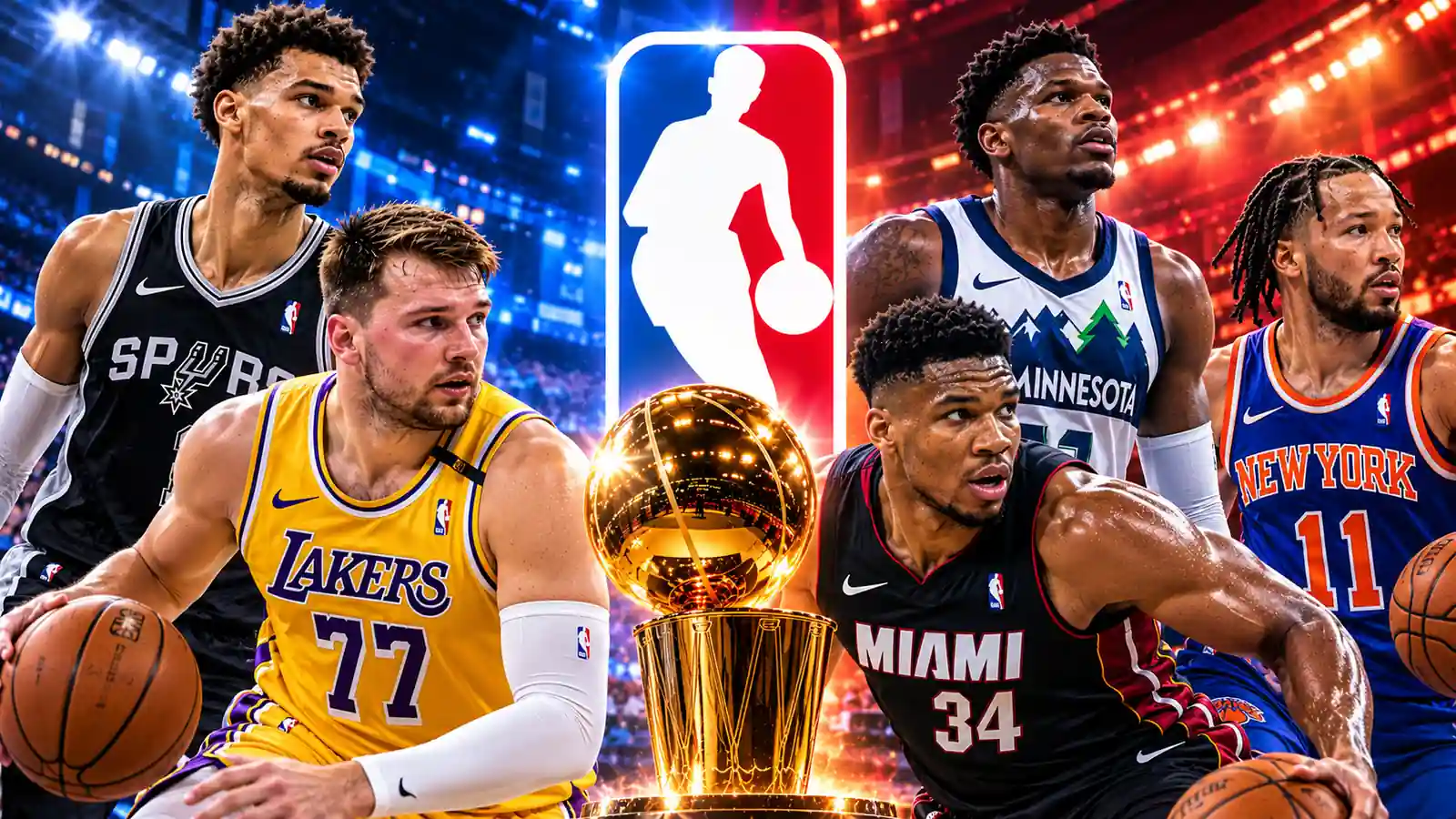
In the West, the main questions concern teams that need to turn their potential into tangible results. The Los Angeles Lakers must navigate a new era without LeBron James, with Luka Dončić expected to take on an even more central role.
It will be interesting to see whether the team can build an effective identity around the Slovenian star. San Antonio is one of the league’s most ambitious teams, while Minnesota needs to make the step forward it has struggled to achieve in recent years.
The Timberwolves have significantly reshaped their roster, with Julius Randle and Naz Reid leaving and LaMelo Ball arriving, and they will need to find the right balance to make the most of their talent, starting with Anthony Edwards. The ability is certainly there, but the real challenge will be proving they can compete for the biggest prizes.
Giannis Antetokounmpo’s move to Miami is another major development that significantly changes the Heat’s outlook. The Greek star’s skill set makes him an ideal centerpiece for an offense built around attacking the basket and creating advantages.
However, the quality of the perimeter shooting available around him remains an important question. Miami has already shown a willingness to experiment, embracing a faster pace and an offensive approach less reliant on traditional screens. The team’s ability to reinvent itself could be one of the defining factors of its season.
Individual talent alone, however, is not enough to guarantee success. Teams also need a structure that allows their players to reach their full potential. That is the challenge facing Chicago and Orlando, two franchises that need to prove they can move beyond a transitional period. The Bulls enter the new season after making significant changes to both their front office and coaching staff.
After spending years stuck in the middle of the standings, far from being genuine championship contenders, the franchise needs to establish a clear direction. The priority is to determine whether the current foundations are strong enough to build on or whether a more extensive rebuild is necessary, with rookie Caleb Wilson potentially taking the reins.
Orlando, meanwhile, has a high-level duo in Paolo Banchero and Franz Wagner, but the Magic now need to turn their stars’ potential into more ambitious results. The 2026-27 season will be crucial in determining whether they can genuinely compete among the league’s top teams. If they fall short, the franchise may have to reconsider its roster and long-term direction, including the possibility of breaking up its star duo.
The 2026 rookie class is considered particularly promising, with at least four or five players who could build significant careers in the league. The race for Rookie of the Year will depend not only on talent but also on the opportunities each player receives from their team. Playing time, responsibility and the number of possessions they get can all make a difference.
In this respect, Cameron Boozer could benefit from a favorable situation. A rebuilding team such as Memphis could give him significant responsibilities from the start, allowing him to accumulate minutes and demonstrate his potential.
Darryn Peterson is a player I particularly like, but Utah is a team on the rise with several players who already hold more established roles. He will therefore have to fight for playing time. The same applies to AJ Dybantsa in Washington, where Trae Young and Anthony Davis could take shots and possessions away from him.
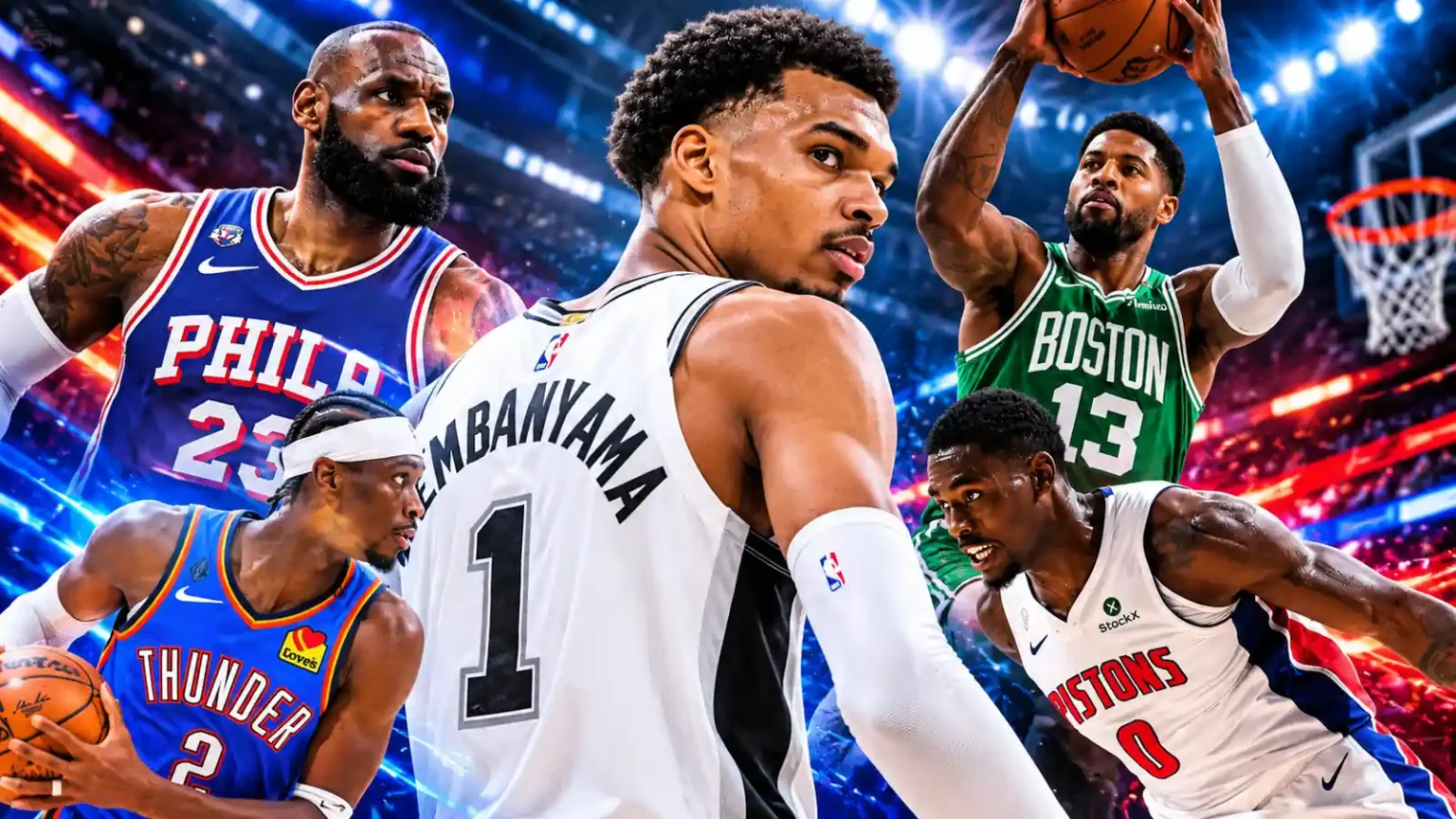
Moving from one individual award to another, Victor Wembanyama is the leading candidate for MVP. The French star still has room to develop, and another step forward could put him at the center of the award race. However, the requirement to play at least 65 games remains a decisive factor. Staying healthy and available could determine the candidacy of a player capable of producing extraordinary performances on both ends of the court.
Luka Dončić is among the most credible challengers. He is expected to deliver another season filled with points and assists. With greater offensive responsibility now that LeBron is no longer there, the Slovenian could put up impressive numbers and strengthen his individual award prospects. Beyond his ability to remain on the court consistently, however, his chances will also depend on whether he can lead his team to significant results.
The 82-game schedule, combined with constant travel and limited opportunities to recover properly between games, places considerable strain on NBA players. Preparation is practically a year-round commitment: many players continue training throughout the summer, leaving themselves fewer opportunities to recover fully from the physical problems accumulated during the season.
Injury prevention and medical staff have reached very high standards, but not every injury can be avoided. Traumatic injuries remain difficult to predict, while the number of Achilles tendon injuries recorded in recent years is a growing concern.
The NBA faces the challenge of balancing the commercial demands of a long season with the need to protect players’ health. Investment in injury prevention continues to increase, but the number of games and the intensity of the schedule remain structural problems.
The 2026-27 season will therefore be important on several levels. On the court, it will help establish the league’s hierarchy. Away from the court, it will offer further insight into the NBA’s ability to make competition more balanced and sustainable. The league’s future depends not only on who wins, but also on how well it can protect the players who make the game what it is.
In the West, Oklahoma City and San Antonio appear to have what it takes to reach the NBA Finals, while New York could remain one of the East’s leading teams and return to defend its title. However, the NBA’s future will not be decided solely on the court. One of the issues likely to generate debate is the NBA Europe project, which could become a reality in the coming years.
Its economic and sporting potential is clear, but its immediate impact on the American league could be limited. Only once the project has been finalized and becomes operational will it be possible to assess its effects on the player market and the balance of international basketball. Some mid-tier players could find new opportunities in Europe, but it is still too early to predict any major consequences for the traditional NBA landscape.
More immediate effects could come from changes to the draft structure, which are intended to reduce the incentives for teams to lose games in order to improve their position in the draft lottery. So-called tanking has become a major issue in recent seasons, particularly when some teams have spent long stretches unable to compete seriously.
Making this strategy less attractive could also make the closing games of the regular season more competitive, as those matchups are often less meaningful for franchises that have already fallen out of the playoff race. Greater competitiveness would benefit both the league and its fans.
If teams had fewer reasons to hold players out in an effort to lose games, the final stretch of the regular season could become more engaging and unpredictable. The goal is to create a more balanced competition while limiting practices that risk diminishing the quality of the spectacle.
To stay up to date with news, in-depth articles, guides, and much more, you can also follow our social media channels on Facebook, X, Telegram, Discord, YouTube, and TikTok.
 FUT Network Original